UN Human Rights Council Unanimously Adopt Biannual Resolution on the Rights of the Child
April 13, 2026
This resolution is particularly significant, as it marks the first time the Council has specifically addressed the rights of children affected by armed conflict. War Child’s Advocacy Team contributed to the process on several occasions: submitting two inputs to the OHCHR report developed in advance of the resolution, supporting children’s participation in consultations with the penholder, and providing direct input to the penholders throughout the drafting process.
The resolution calls for the full implementation of existing obligations and policy frameworks. Notably, it highlights the protective role of education and emphasises that inclusive education must continue during conflict. It also underscores the importance of mental health and psychosocial support, which are essential for recovery and reintegration, and promotes community-based approaches. In addition, it includes clear language affirming children’s right to be heard and to participate in processes and decisions that affect them.
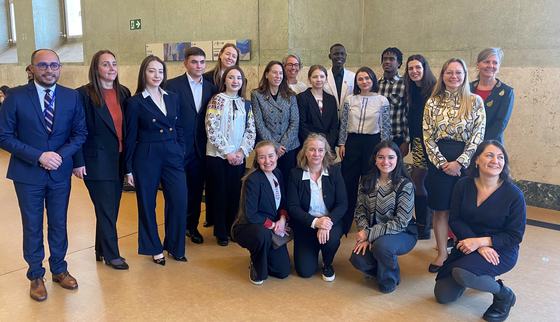
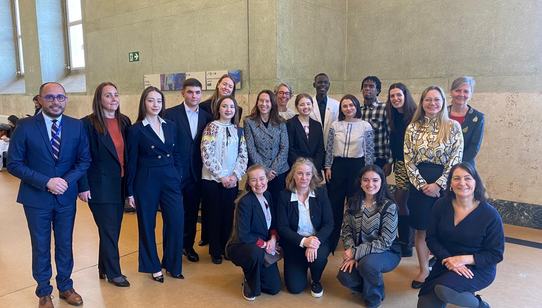
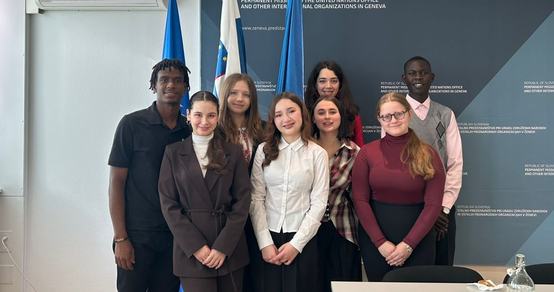
Delegation in Geneva which includes youth advocates from Ukraine, Colombia, Uganda and Albania
The resolution further contains strong language on accountability, calling for the punishment of perpetrators, reparations for victims, and the establishment of child-sensitive, accessible, and safe justice systems.
Finally, it stresses that UN presences must be adequately staffed with child protection expertise to effectively monitor and report grave violations and to implement child protection programmes. It also calls for the mainstreaming of the rights of conflict-affected children across all relevant UN human rights mechanisms and processes.
From a civil society perspective, the outcome of this process is positive. However, the most critical aspect will be implementation, which remains a challenge.