Ukrainian youth to world leaders: We are living this war, now listen to us
July 17, 2026
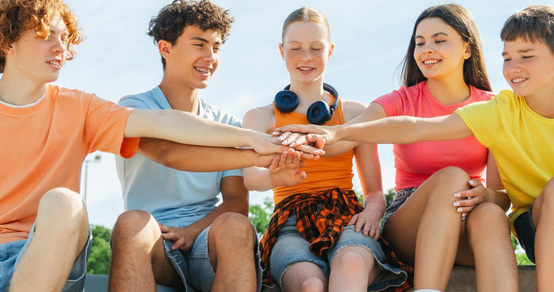
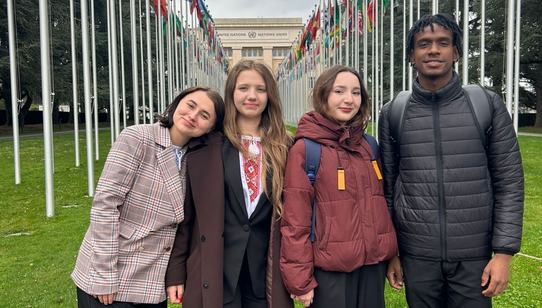
We are 75 young people from five areas in western and northern Ukraine, aged 15 to 24. We are growing up in war. We are living through air raids, displacement, the deaths of people we love, and the weight of war on our minds every single day. Our lives often feel like they’re on pause. And while much of the world focuses on rebuilding cities and infrastructures, there is something else quietly breaking: our mental health. Now, we have something to say.
Today, we are releasing our research about the state of mental health in Ukraine. The research has been designed and led by us in Storozynets, Khotyn, Shepetivka, Starokonstantiniv and Trostyanets. A total of 527 young people across these five communities were surveyed between March and May 2025 as part of the participatory research, using both quantitative and qualitative methods. Since November 2024, we have been talking, researching, asking hard questions, and saying out loud what so many young people are feeling but rarely asked about. Our message is simple: listen to us, and act with us.
Our research showed what adults often miss: young people are experiencing high levels of anxiety, disrupted sleep, isolation and grief. Our lives, as one of us put it, feel "on hold." The 2025 national health needs survey by the World Health Organization found that mental health needs are widespread, with nearly 70% of youth experiencing anxiety, stress or depression. One in five live with constant distress, describing poor sleep, fatigue, headaches, and irritability, but only a minority seek professional help. We know mental health is a problem and spoke about wanting help, but we do not know where to get help, are scared to ask, and are afraid of being judged.
Services exist, but they are very fragmented, too formal, and simply not meant for us. Information is also fragmented and confidentiality feels uncertain. In rural and war-torn areas, youth-friendly psychosocial support is nearly invisible and too often, we are treated as recipients of help, not partners in designing it. And the stigma? It's louder than any siren. Access to mental health support, trust and youth‑friendly support are fundamental but not delivered, and this gap has direct consequences on our wellbeing and our future.
But here's what adults often miss: mental health is no longer a taboo word among youth, and we are not sitting still. We are running peer support groups and safe spaces in libraries in schools; we are launching Telegram bots to map support services and offer check-ins; we are organising regular peer-support groups and emotional-literacy classes; we are running awareness campaigns to reduce stigma around mental health. We have done this with a small amount of resources, because no one else is doing it for us.
Our five demands
Our research does not just describe our problems. It offers our own solutions: practical, scalable and rooted in our experience and our lives.
Our message to policymakers, donors, educators, health authorities and humanitarian actors is clear:
- Integrate mental health into youth policy and education: awareness campaigns, communication hours for peer check-ins, teacher training, and measurable mental health indicators in municipal youth strategies.
- Invest in youth-friendly hubs: physical and digital; co-designed by us, sustainably funded, and not dependent on short-term project cycles.
- Build community ecosystems, not isolated interventions: engage parents, local institutions and governance structures in a shared commitment to youth wellbeing.
- Scale awareness and access: run local and national campaigns with young people at the centre, address stigma head-on, and collect real data on who needs help and who is actually getting it.
- Fund youth leadership: train peer facilitators, youth researchers and advocacy networks. Put us in the room where decisions are made.
We are calling on policymakers, health and education authorities, local governments, donors, and civil society to join us. We, youth in Ukraine, are the ones who will rebuild this country. We are asking you to invest in our minds as well as our infrastructure. Now is the moment to invest in youth; not later, not after the war, and not once the damage is irreversible.
NOTES
- This press release was co-authored by War Child Alliance Foundation and youth in Ukraine, based on the research report. A summary of the report is available here.
- War Child Alliance Foundation is an international organisation working to protect and support children affected by armed conflict. We believe in a world where no child should be part of war, ever.
- VoiceMore is War Child's youth-led advocacy programme methodology, empowering young people affected by armed conflict to share their experiences and drive change in their communities and on national and international platforms. The Ukraine programme is implemented in partnership with the Ukrainian Step by Step Foundation as part of the Ukraine Partnership Facility (UPF) project "Beyond Trauma: Integrating Mental Health in Primary and Community Care for Ukraine's Conflict-Affected Communities."
MEDIA ENQUIRIES
War Child Alliance Foundation's additional materials, youth advocacy outputs and community action summaries are available upon request.
Media Contact:
Jessica Timings - War Child Alliance Media Manager