Three Months On: War Child’s Response to the war in Lebanon
June 2, 2026
Who’s affected
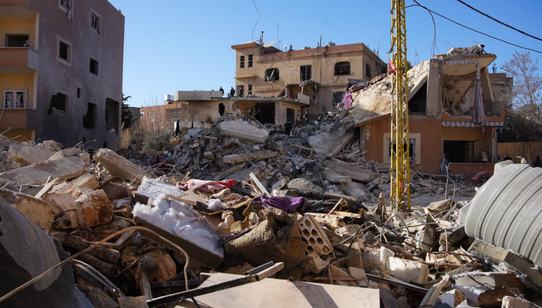
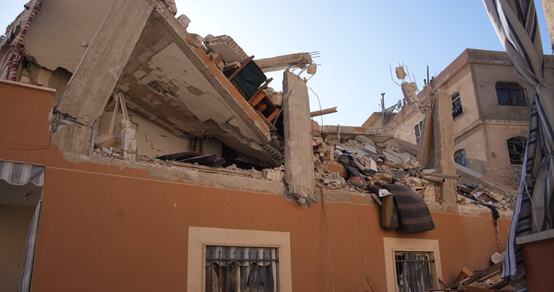
It's now been three months since the crisis in the Middle East began on 28 February, and the situation remains deeply alarming. Since early March, Lebanon has seen a severe escalation in hostilities — airstrikes, artillery shelling, and ground operations.
In total, at least 200 children have been killed and 806 injured in Lebanon, including during the “ceasefire”. More than a million people (1.05 million) have been forced from their homes, 35% are children. Over 130,000 people, including more than 44,800 children, are currently living in shelters.
A ceasefire was announced, but it hasn't held. Daily violations - airstrikes, shelling, demolitions, movement restrictions - continue, especially in South Lebanon and the Nabatieh and Bekaa governorates. Even this week, the Israeli government announced to further intensify the attacks on Lebanon, despite the ceasefire. This makes it extremely difficult for displaced families to return home safely, and for aid organisations to get help to the children and caregivers who need it most.
Children are affected far beyond what can be seen from the numbers. Physically, they're more vulnerable - their bodies are less resilient to injury, malnutrition, and disease. Displacement disrupts schooling, routines, and the stability children need to develop healthily. As public schools are used as shelter in the entire country, many children – also children who are not displaced - have not been to school for months now.
Many are separated from caregivers or have witnessed violence, which causes lasting psychological harm. Crowded collective shelters — while vital — create risks of illness, abuse, and exploitation that fall hardest on the youngest, and particularly on girls. And in protracted crises, children who miss years of education and support face consequences that follow them well into adulthood. The fact that over a third of those displaced in Lebanon are children tells us something important about who is most at risk, and why a child-focused response matters.
What we’re doing in Lebanon
When the crisis started War Child immediately started emergency response activities and has reached more than 18,000 people, including distributions of 188,954 meals across more than 35 shelters with our partners.
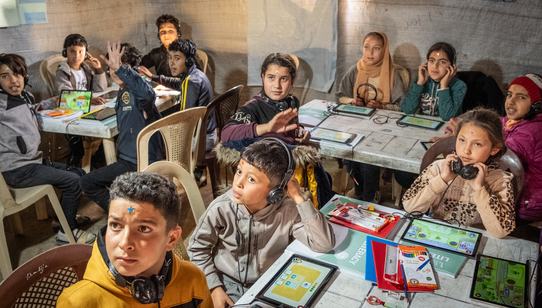
In Beirut and Mount Lebanon, we're running psychosocial support and recreational activities for children and caregivers in shelters, with facilitators currently being trained. In North Lebanon, our child protection work continues through caregiver awareness sessions, child-friendly activities, and community-based psychosocial support.
Here's a snapshot of what's been delivered with our four partners, Alawite Islamic Charity Association (AICA), Development for People and Nature (DPNA), The Lebanese Organization for Studies and Training, and Nusaned so far:
- 30,768 cold meals
- 158,186 hot meals
- 256 ready-to-eat kits
- 56 food parcels
- 65 packs of nappies
- 218 caregivers reached through information and awareness sessions
- 75 children supported through community-based psychosocial activities
War Child are also leading a consortium of NGOs, integrating support which includes food security, water and sanitation, cash assistance, and protection services across Mount Lebanon, Baalbek-Hermel, and South Lebanon.
However, the crisis continues and we – like many other NGOs – need much more funding. We are aiming to raise 2.5 million euros to reach 15,000 people with urgent humanitarian needs by August 2026, including integrating War Child’s care system - a combination of psychosocial support, child protection and education - to support children to take their lives into their own hands and regain trust in themselves and others. We will also continue working with our partners to help reach families and children most in need.